Summary:
Why Trim Work Is the True Test for House Painters
Painting trim is fundamentally different from painting a large, flat wall. The materials themselves—usually wood or MDF—expand and contract with the seasonal humidity swings in Nassau County. This movement puts immense stress on the paint film, causing improperly applied paint to crack and fail. Furthermore, trim, doors, and windows are high-contact surfaces. They get bumped by furniture, touched by hands, and cleaned frequently, requiring a finish that is far more durable than standard wall paint. For professional painting contractors, executing trim work perfectly is a mark of their skill. The lines must be sharp, the finish must be uniform, and the durability must be built-in from the very first step.
The Foundational Work That Defines Quality Painting
The secret to a durable finish lies in the work done before a can of paint is even opened. Reputable house painters spend the majority of their time on preparation. This process begins with filling all nail holes and gaps with a two-part wood filler that hardens to a sandable, crack-resistant state. After that, every inch of the surface is sanded smooth. This critical step makes sure the new paint has a properly prepared surface to adhere to. Finally, the trim is wiped down with a solvent to remove any dust or oils that could interfere with adhesion. This meticulous preparation is what makes a professional residential painting project last for years instead of months.
Selecting the Right Tools for an Unblemished Finish
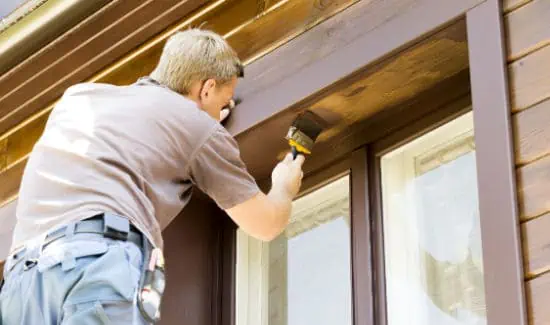
The quality of the tools directly impacts the quality of the finish. Professional painters invest in specific tools for trim work because they produce superior results. A high-quality 2.5-inch angled sash brush is essential for cutting clean lines where the trim meets the wall. Unlike cheaper brushes, these hold more paint, release it evenly, and don’t shed bristles. For wider, flat surfaces like door panels, a small, high-density foam roller can lay down a thin, even coat of paint without any texture. Using the right tool is a non-negotiable part of providing top-tier home painting services.
Application Techniques Used by the Best Local Painters
Technique is what brings the preparation and tools together for a perfect result. The key is to apply multiple thin coats of paint rather than one thick one. This method builds a stronger, smoother, and more durable paint film. A skilled painter also maintains a “wet edge” to prevent lap marks, which occur when wet paint is applied over an area that has already started to dry. Long, confident strokes that follow the direction of the trim produce the best visual effect. The final step is a gentle “laying off” stroke with the tip of the brush to eliminate any lingering brush marks, leaving a surface that looks as if it were sprayed. This attention to detail is a hallmark of an experienced painter.
Navigating Nassau County's Climate for a Lasting Job
Any reputable paint company in Nassau County understands that local weather plays a significant role in a paint job’s outcome. High humidity in the summer can slow the curing process, potentially causing the paint to sag or develop imperfections. Attempting interior painting in these conditions without proper climate control can compromise the final hardness of the finish. An experienced painting contractor will manage the environment, perhaps by using dehumidifiers or planning work for cooler parts of the day. This foresight prevents the kind of failures that lead to premature peeling and chipping, a common issue with exterior painting projects as well.
Common Errors That Undermine a Paint Job's Integrity
Many avoidable mistakes can ruin an otherwise excellent paint job. The most common is skipping the prep work. Painting over glossy surfaces without sanding or priming is a recipe for adhesion failure. Another error is using the wrong type of paint. Trim needs a resilient acrylic or acrylic-alkyd enamel, not standard wall paint. This principle of using the right materials for the job applies to both residential painting and commercial painting, where durability is top of mind. When evaluating local painters, ask how they approach these challenges. A knowledgeable contractor will have clear processes for every scenario, from priming to final inspection.
Achieve a Superior Finish in Your Home
Executing trim work to a high standard is a clear indicator of a painter’s dedication and skill. It requires a systematic approach that accounts for your home’s specific needs and the local climate. This investment in a proper process results in a beautiful appearance and a finish that holds up to daily life. If you are looking for a result that reflects true craftsmanship for your home, the painters at Aura Painting have the knowledge and methodical approach to carry out a finish that lasts. Contact us for your next project.